
Introduction
Headphones have become an essential gadget for many people who enjoy listening to music, watching videos, attending online meetings, or gaming. With the rapid growth of audio technology, there are now many types of headphones available in the market. From wireless earbuds and over ear headphones to noise cancelling models, buyers are presented with numerous choices.
Choosing the right headphones can sometimes feel overwhelming, especially when different models offer different features and price ranges. While some users prioritize sound quality, others focus on comfort, battery life, or portability. Understanding the key factors involved in headphone selection can help buyers make a smarter decision. A good pair of headphones should deliver excellent audio performance while also providing comfort and durability for long term use.
Types of Headphones
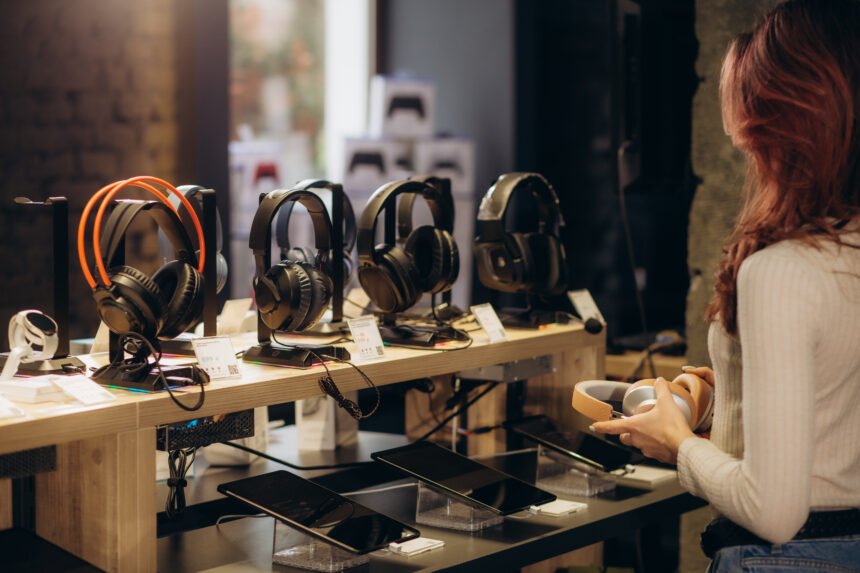
The first thing buyers should consider is the type of headphones that best suits their needs. Over ear headphones cover the entire ear and often provide better sound quality and noise isolation.
On ear headphones are smaller and sit directly on the ears, offering a balance between comfort and portability. In ear headphones, commonly known as earbuds, are compact and lightweight, making them convenient for travel and everyday use.
Selecting the right type depends on how the headphones will be used and where they will be worn most often.
Sound Quality and Audio Performance
Sound quality is one of the most important factors when choosing headphones. Good headphones should produce clear sound with balanced bass, midrange, and treble.
Music enthusiasts often prefer headphones that deliver accurate and natural sound reproduction. Some models also offer customizable sound settings through companion apps, allowing users to adjust audio according to personal preferences.
Wired vs Wireless Headphones
Another important consideration is whether to choose wired or wireless headphones. Wired headphones connect directly to devices using audio cables and often provide stable sound quality without needing batteries.
Wireless headphones connect through Bluetooth technology, allowing users to listen without cables. Many users prefer wireless headphones for convenience and mobility, especially during workouts or commuting.
Battery Life for Wireless Models
If buyers choose wireless headphones, battery life becomes an important feature. Most wireless headphones offer several hours of playback on a single charge.
Some models include fast charging features that provide additional listening time after a short charging period. Longer battery life ensures users can enjoy music or calls throughout the day without frequent charging.
Comfort and Build Quality
Comfort is another essential factor when buying headphones. Users who listen to music for long periods should choose headphones with padded ear cups and adjustable headbands.
Build quality also matters for durability. Headphones made with strong materials can withstand daily use and last longer compared to cheaper alternatives.
Conclusion
Choosing the right headphones involves balancing sound quality, comfort, and features according to personal needs. Buyers should carefully consider factors such as headphone type, audio performance, connectivity options, and battery life.
A well chosen pair of headphones can significantly improve the listening experience and provide reliable performance for years. By understanding these important factors, buyers can make confident decisions when selecting their next audio device.