
Introduction
The rollout of 5G networks is rapidly transforming how people and businesses interact with technology. While previous generations of mobile networks mainly focused on improving internet speed for smartphones, 5G technology introduces a much broader shift in digital connectivity. With significantly faster speeds, lower latency, and the ability to connect far more devices simultaneously, 5G is opening the door to new technological possibilities across multiple industries.
Across the world, telecommunications companies and governments are investing heavily in expanding 5G infrastructure. As coverage increases, industries such as healthcare, transportation, manufacturing, and entertainment are beginning to explore innovative applications powered by this advanced network technology. The impact of 5G extends far beyond faster downloads; it is becoming a critical foundation for the future of connected technology.
Redefining Mobile Speed
One of the most noticeable benefits of 5G is its dramatic improvement in mobile internet speed. Compared to earlier mobile networks, 5G can deliver data transfer rates that are several times faster, enabling users to stream high resolution content, download large files, and access cloud services almost instantly.
This enhanced performance is transforming mobile experiences for both consumers and businesses. Applications such as high definition video streaming, augmented reality, and cloud gaming are becoming more practical on mobile devices. As mobile internet becomes faster and more reliable, smartphones are increasingly capable of handling tasks that once required powerful desktop computers.
Smart Cities Are Becoming More Connected
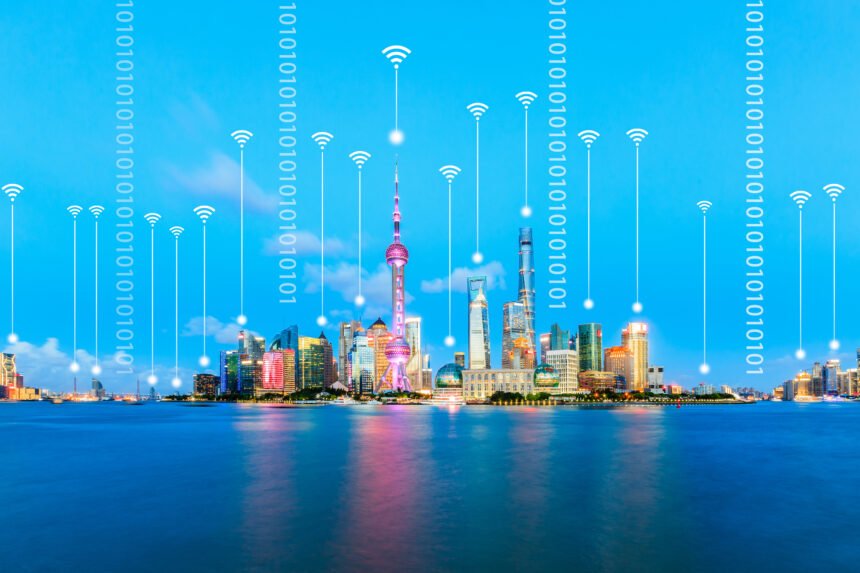
5G networks are also playing a major role in the development of smart cities. With the ability to support millions of connected devices within a single network, 5G enables large scale deployment of sensors, cameras, and automated systems across urban environments.
These systems can monitor traffic flow, manage energy usage, and improve public safety through real time data analysis. For example, intelligent traffic systems powered by 5G connectivity can adjust signals dynamically to reduce congestion and improve transportation efficiency. As more cities adopt these technologies, urban infrastructure is becoming more responsive and data driven.
Next-Level Industrial Automation
Manufacturing and industrial operations are another area where 5G technology is having a strong impact. Factories are increasingly integrating smart machines, robotic systems, and connected sensors into their production processes.
Because 5G offers extremely low latency, machines can communicate with each other in real time, allowing factories to operate more efficiently and with greater precision. Automated systems can instantly detect problems in production lines and adjust operations accordingly. This level of connectivity is helping companies build more flexible and intelligent manufacturing environments.
Healthcare Tech on Fast Networks
Healthcare providers are also exploring how 5G networks can improve medical services and patient care. Faster connectivity allows doctors to access medical data quickly, enabling more efficient diagnosis and treatment planning.
Telemedicine services are becoming more advanced as high quality video communication allows doctors to consult with patients remotely. In the future, some experts believe that ultra low latency networks could even support remote surgical procedures assisted by robotic systems. While these technologies are still evolving, the potential for healthcare innovation is significant
Challenges in Expanding Global 5G Coverage
Despite its advantages, the global expansion of 5G networks faces several challenges. Building new infrastructure such as communication towers and advanced base stations requires substantial investment and careful planning.
Additionally, some regions face regulatory and logistical obstacles that slow down network deployment. Rural areas may require additional infrastructure development before they can fully benefit from 5G connectivity. However, as technology costs gradually decrease and infrastructure expands, more regions are expected to gain access to high speed mobile networks.
Conclusion
5G technology represents far more than an upgrade to mobile internet speeds. It is a powerful platform that enables the next generation of digital innovation. From smart cities and industrial automation to advanced healthcare systems and immersive entertainment, 5G is creating new opportunities for technology to improve everyday life.
As network coverage continues to expand across the globe, businesses and developers will likely discover even more creative ways to use this technology. The success of 5G will ultimately depend on how effectively industries integrate it into real world solutions that enhance connectivity, efficiency, and digital experiences.