
Introduction
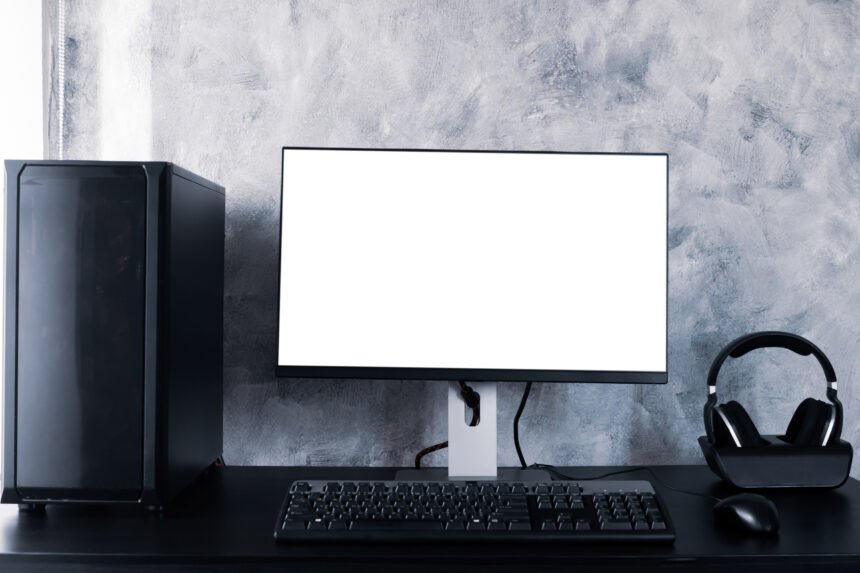
Desktop computers have traditionally been associated with large towers placed under desks or next to monitors. However, modern technology has introduced a new type of desktop system known as the mini PC. These compact computers offer many of the same capabilities as traditional desktops while occupying far less physical space.
Mini PCs are designed for users who want the performance of a desktop computer without the bulk of a large tower. They are small enough to fit in the palm of a hand yet powerful enough to handle everyday computing tasks such as web browsing, office work, media streaming, and even light creative workloads. As technology improves, mini PCs are becoming increasingly popular among home users and businesses.
Compact Design Saves Space
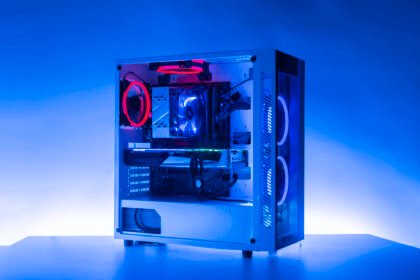
One of the biggest advantages of mini PCs is their extremely compact size. Traditional desktop computers often require large cases that take up valuable workspace.
Mini PCs are designed to be small and lightweight, allowing them to fit easily on a desk, behind a monitor, or even mounted to a wall. This makes them ideal for users who want a clean and minimal workspace without bulky equipment.
Efficient Hardware for Everyday Tasks
Despite their small size, mini PCs are equipped with capable processors and sufficient memory to handle common computing tasks. Many modern mini PCs use energy efficient processors that provide reliable performance while consuming less power.
These systems are well suited for tasks such as document editing, internet browsing, media streaming, and online communication. For many users, a mini PC offers all the performance needed for daily activities.
Ideal for Home and Office Environments
Mini PCs are widely used in offices, classrooms, and home setups because of their versatility. Businesses often deploy mini PCs for workstation setups where space efficiency is important.
In homes, these devices can serve as media centers connected to televisions or as family computers used for schoolwork and entertainment. Their quiet operation and low power consumption make them suitable for many environments.
Energy Efficiency and Quiet Operation
Because mini PCs use energy efficient hardware, they typically consume less electricity compared to large desktop computers. This efficiency helps reduce power usage over time.
Many mini PCs also operate quietly because they generate less heat and require smaller cooling systems. Quiet operation is particularly beneficial in office environments or shared living spaces.
Expanding Capabilities of Mini PCs
As technology advances, mini PCs are becoming more powerful and capable of handling more demanding workloads. Some models now include support for high speed storage, multiple displays, and improved graphics performance.
These improvements allow mini PCs to perform tasks that were previously limited to larger desktop systems. As hardware continues to improve, mini PCs may become even more widely used in the future.
Conclusion
Mini PCs represent an exciting evolution in desktop computer design. By combining compact size with reliable performance, these systems offer a practical solution for users who want efficient computing without bulky hardware.
Whether used for home entertainment, office work, or general productivity, mini PCs provide a balance between performance, energy efficiency, and space saving design. As technology continues advancing, these compact computers are likely to become even more common in modern computing environments.