
Introduction
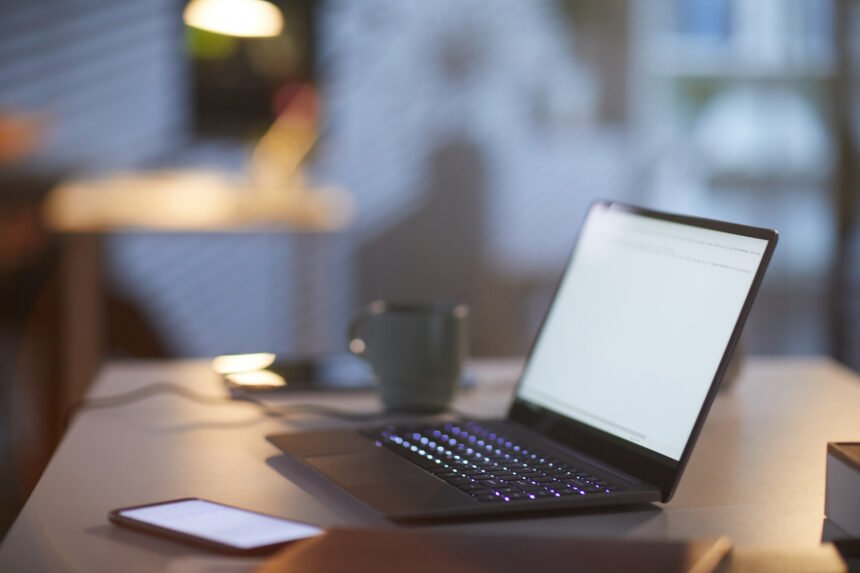
Over the past decade, laptops have evolved from simple portable computers into powerful devices capable of handling complex tasks. In the early days of personal computing, desktop computers were considered far more powerful and reliable for professional work. However, technological advancements have allowed laptops to bridge that gap. Today, many laptops deliver impressive performance while maintaining the convenience of portability.
The growing demand for remote work, digital collaboration, and flexible workspaces has accelerated the popularity of laptops across industries. Professionals, students, and content creators now rely heavily on laptops for daily tasks such as document editing, programming, video conferencing, and multimedia editing. As laptop hardware continues improving, these devices are becoming strong alternatives to traditional desktop computers.
Powerful Hardware in Compact Devices
One of the main reasons laptops have become more popular is the improvement in hardware performance. Modern laptops now feature powerful processors, high speed memory, and fast solid state storage.
These components allow laptops to handle demanding tasks such as video editing, graphic design, and software development. In many cases, high end laptops can perform nearly as well as desktop systems while remaining compact and portable.
Portability Supports Flexible Work Environments
Portability is one of the biggest advantages laptops offer over desktop computers. Unlike desktops that remain fixed in one location, laptops can be easily carried between home, office, classrooms, or travel environments.
This flexibility allows users to work from different locations without losing access to their files or applications. As remote work and hybrid working models continue growing, the importance of portable computing devices has increased significantly.
Battery Technology Enables Mobile Productivity
Modern laptops are designed with improved battery systems that allow users to work for extended periods without needing constant access to power outlets.
Energy efficient processors and optimized operating systems help laptops conserve power while maintaining performance. Long battery life allows professionals and students to work throughout the day without worrying about frequent charging.
Improved Displays and User Experience
Laptop displays have also improved dramatically in recent years. Many laptops now include high resolution screens, vibrant color accuracy, and thin bezel designs that maximize viewing space.
These improvements make laptops more comfortable for tasks such as content creation, media editing, and entertainment. Touchscreen displays and convertible laptop designs have also introduced new ways for users to interact with their devices.
Future Trends in Laptop Technology
The future of laptop technology is expected to bring even more innovation. Manufacturers are experimenting with ultra thin designs, improved battery technology, and advanced cooling systems that allow devices to remain powerful without overheating.
Artificial intelligence features may also become more integrated into laptops, helping optimize system performance and automate certain tasks. These advancements will likely make laptops even more capable tools for productivity and digital creativity.
Conclusion
Laptops have transformed significantly from their early designs and now offer a powerful combination of portability and performance. With improvements in processors, battery life, and display technology, laptops are capable of handling many tasks that once required desktop computers.
As work environments continue evolving and mobility becomes more important, laptops are expected to remain essential tools for professionals, students, and creators. Their versatility and convenience make them one of the most valuable computing devices in the modern digital world.