
Introduction
During the last decade, technology has made its way from office desks to almost any aspect of people’s life. First, it was only smartphones which changed the way consumers live their lives. However, nowadays connected devices are becoming the core part of technology development. From smartwatches which measure a person’s physical condition to the voice assistant which controls the entire apartment and all of its devices – modern connected technologies give a lot of possibilities to make the consumer’s life easier.
Connected Technology Revolution
The era of modern connected devices is called connected technology revolution. Basically, it means that the era of standalone devices which work without communicating with others is over. Now each device communicates with another one, shares data, adjusts settings according to the consumer’s preference and so on. The network of devices becomes bigger each day and changes the way people use technologies completely.
Smart Homes Become Smarter
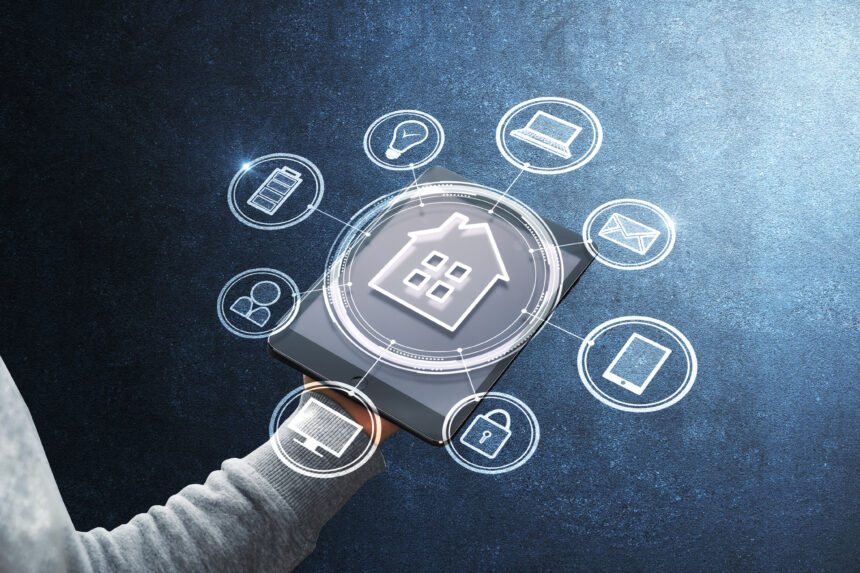
The concept of smart houses is getting its new dimensions with each day that goes by. Devices that are included in the network and work together include the following types of equipment: smart light bulbs, smart thermostats, smart security camera and many others.
A thermostat can help to control temperature at home automatically. It knows when a consumer wakes up and starts doing things and lowers temperature at night. Moreover, the lighting system also changes according to the time of the day. The same way works a security system: any suspicious movement is sent to the smartphone immediately after its occurrence. All of the improvements make the household process easier.
Wearables Improve Health Management
Nowadays, wearable devices become an important part of the healthcare industry because they can monitor various processes taking place inside of the human body. A lot of health information can be monitored by smart wearables including heart rate, level of stress, blood pressure and physical activity during the day. Moreover, wearables can provide useful advice about certain diseases before they develop.
Internet of Things Connects All
One of the crucial technologies behind all these changes is called Internet of Things or simply IoT. IoT means connecting devices to the internet in order to monitor what is going on with a particular product, object or building. Business, healthcare and transport sector are using IoT to improve their efficiency. For example, some big cities are experimenting with a concept of IoT-based traffic management system.
Emerging Security Risks
The use of connected technology brings several security risks to businesses which use them. All of the devices that are involved in the network need to have adequate protection from potential cyber attacks and malware infections. Thus, experts say that it is crucial for manufacturers to introduce proper encryption system and security software updates. At the same time, a consumer should think about the network where he or she uses his or her device. Secure network is an additional layer of security.
Future of Connected Technology
Further development of IoT is inevitable. Experts predict that in the near future consumers will enjoy such services as self-driving cars or advanced healthcare assistance provided by a special application on smartphones. To make this prediction true, there will appear 5G network and advanced edge computer which will make information exchange even faster and efficient.
Conclusion
It is safe to say that the emergence of connected devices makes people live in a new way. Modern devices know a lot about consumers and their behavior and provide many useful services because of this ability. From smart homes to advanced IoT network, technology became inseparable part of the daily life.