
Introduction
With the emergence of new 5G mobile networks, our perception of technologies is changing. Although previous iterations of cellular networks were largely focused on providing better internet speed, 5G technology brings many revolutionary changes related to the connectivity and functionality of modern networks. Due to faster speeds, low latency, and more connections within a network, 5G allows implementing new technologies and innovative solutions in various industries.
Around the world, telecommunications companies have been actively engaged in building infrastructure for new mobile networks. As a result, industries like healthcare, transportation, manufacturing, and entertainment have started exploring new possibilities offered by 5G mobile connectivity.
Improvement of Mobile Speeds
One of the main improvements introduced by 5G technology is its speed of transferring data between a device and network servers. Compared to previous technologies, 5G can provide mobile internet speeds several times higher which makes it possible to easily stream high-quality videos, watch online TV channels and perform many similar actions that require high-speed connections.
Increased capacity of new 5G networks is changing mobile experiences, making smartphones more productive and efficient. Now many applications like virtual reality content, high-resolution videos, and cloud games have become more convenient and available.
Building Smart Cities Using 5G Technology
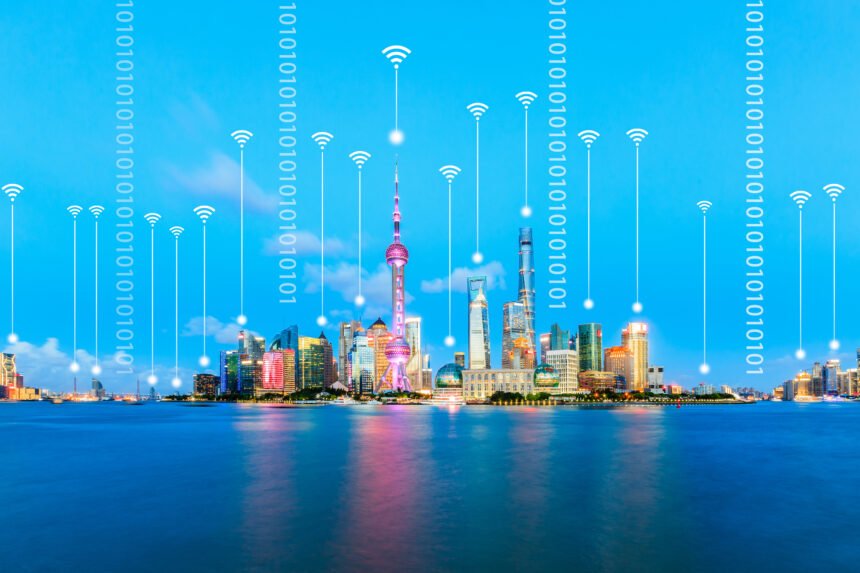
Another application that is gaining traction due to advances in 5G is building smart cities. Thanks to its ability to connect numerous devices and support multiple devices, mobile 5G networks can be used to create large-scale networks of sensors, cameras, and automated processes to control different processes in cities.
For example, such technologies can monitor traffic conditions, energy consumption, and help improve public safety through data analysis and intelligent systems. Thanks to fast internet speed and advanced networking technologies, such processes can be controlled effectively.
Next-Level Automation in Industry
In addition to being widely used by private individuals, 5G technology has a lot of applications in industries and manufacturing facilities. New mobile technology allows connecting various smart machines, robots, and sensors in production processes.
Using the low latency of the new network, equipment in factories can exchange messages, which allows optimizing production processes and increasing operational efficiency. Moreover, automated control systems can instantly detect and fix any errors in the operation of the equipment.
Use of Advanced Healthcare Technologies on Fast Networks
Another industry that can greatly benefit from new technologies is healthcare services. With the possibility of accessing data quickly, specialists can analyze patient data faster and plan treatment. Moreover, telemedicine systems can work more effectively and provide high-quality consultation due to the fast transfer of data and advanced video communication.
Finally, some scientists predict that future advances in mobile networks and robot-assisted surgery can allow performing remote surgeries using specialized robotic instruments.
Global Expansion of Coverage and Challenges
Despite all the positive effects of 5G technology, there are still many challenges associated with its implementation worldwide. To implement such technology, a company must invest heavily in the construction of new infrastructure including special base stations and communication towers.
Moreover, different countries may face certain regulatory and logistic issues which make expanding the network difficult. However, since the cost of infrastructure development and technology adoption is expected to decline over time, the expansion should proceed steadily.
Conclusion
Overall, we can say that 5G technology means not just increased mobile internet speed. It is a platform that allows developing revolutionary new technologies in various fields of modern economy. In particular, using 5G technology, it will be possible to develop such concepts as smart cities, advanced automation in manufacturing, healthcare innovations, and immersive entertainment systems.