

Introduction
Electric vehicles (EVs) have gained massive traction throughout the globe during the last several years, not only because of the positive environmental impact that they have, but because of their contribution to overall technological development. EVs are becoming one of the major drivers of innovation in fields ranging from artificial intelligence to battery technology and software engineering.
Battery Innovations
Battery technology is the most vital component of any electric vehicle as the efficiency of the battery directly affects the performance of the vehicle. Research into better battery technology is ongoing, and it has yielded many improvements in terms of range and charging speed.
Solid state batteries are one of the most promising developments, as they have the potential to significantly extend the distance that an electric vehicle can travel using one charge. Such batteries could replace lithium ion batteries in the near future.
The Role of Software in Modern Vehicles
Software is becoming increasingly integral to the operation of modern vehicles, as all functions are now handled by specialized programs. In contrast, the conventional car requires mechanical components to perform all operations. Thus, EVs are essentially highly sophisticated vehicles.
Software updates could make significant changes in terms of efficiency and performance. In fact, they can affect almost every aspect of vehicle performance, making them superior to conventional vehicles.
Global Charging Infrastructure
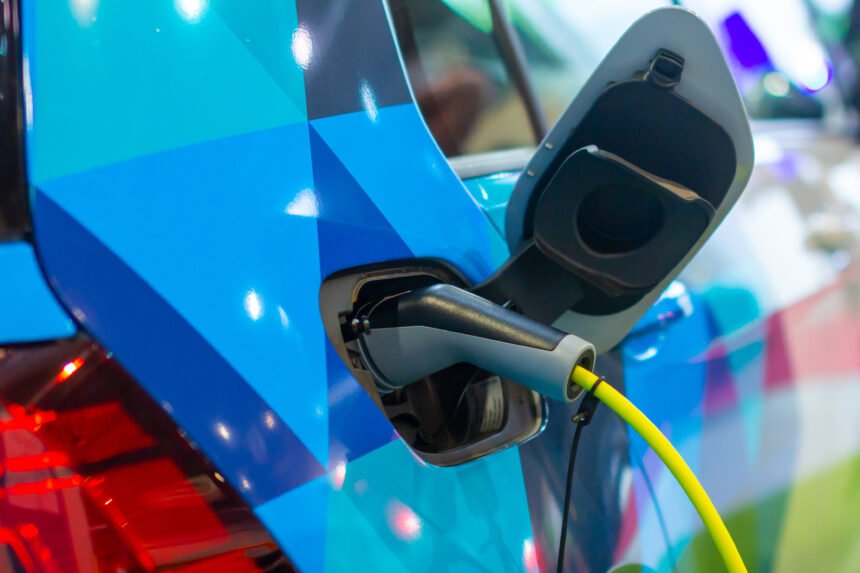
Charging infrastructure should be able to grow in line with the increasing number of electric vehicles. Several governments have recognized this need and have decided to develop networks of EV charging stations on both national and international levels.
Furthermore, the charging process is being made faster, which will decrease the amount of time that owners of EVs spend at charging stations, which is currently one of the key concerns. Range anxiety could be reduced through the expansion of the charging network, as well.
AI and Autonomous Driving
Artificial intelligence is essential for the development of autonomous driving technology, which will enable electric vehicles to operate with minimal or no input from passengers. Machine learning algorithms could be used to train AI to drive vehicles autonomously and safely.
Advanced driver assistance systems are being developed using machine learning and other types of AI, which will facilitate safer driving conditions in the future.
Environmental Impact and Sustainability
It is well known that electric vehicles produce significantly less carbon dioxide than gasoline-powered automobiles. Therefore, the adoption of EVs is crucial for mitigating the negative effects of human activities on the environment.
Researchers are also investigating the possibility of recycling used battery components, which would allow manufacturers to produce electric vehicles using recycled parts rather than sourcing raw materials from various countries. It is also possible to implement more environmentally friendly methods of manufacturing batteries in the future.
Conclusion
Thus, electric vehicles have become one of the drivers of technological progress in the twenty first century, affecting several industries simultaneously. Battery technology is continuously improving, and the global network of charging stations is expanding, thus, promoting the widespread adoption of EVs.