
Introduction
Even though laptops became more popular in recent years, desktop computers retain their importance within the area of computing. Many specialists and content creators require systems capable of performing complicated operations.
As compared to laptops, which focus on providing users with mobility, desktops emphasize performance and customizability. Due to large size of the components and advanced cooling system, desktops are more powerful and reliable in terms of performance. In this regard, one may state that desktop PCs are crucial tools for different specialists.
Demanding Task Performance
One of the major benefits of desktop computers is high performance and powerful processor and graphics that can be installed into the systems. Smaller sizes of desktop PC boxes allow installing better components, thus providing superior computing.
Due to the mentioned characteristics, desktop computers are suitable for such demanding tasks as video rendering, software development, simulation of complicated physical processes, or game-playing.
Customization and Upgradability
Additionally, desktop computers differ from laptops in their ability to be upgraded. One may install a better graphics card, increase memory, and upgrade processor. Therefore, desktop computers are not limited and can serve for many years since users can install better components in case they want.
Superior Cooling Performance
Another important feature of desktop computers is the ability of maintaining proper cooling, which is critical for optimal performance. Powerful components consume large amounts of energy, producing lots of heat.
Large cases provide users with space where additional cooling components can be installed.
Ideal Setup for Professional Workstations
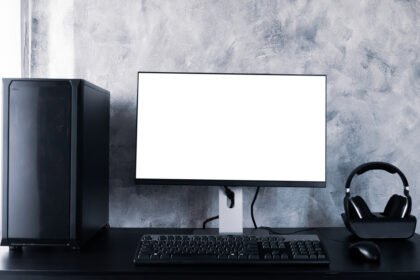
Apart from providing high computing and performance, desktop computers also can be useful when creating a workstation with several monitors. Designers, programmers, editors, and analysts prefer using several screens at once in order to increase productivity.
For these purposes, desktop computers seem to be ideal since they can provide sufficient computing and performance to perform several programs simultaneously.
Gaming Performance on Desktop PCs
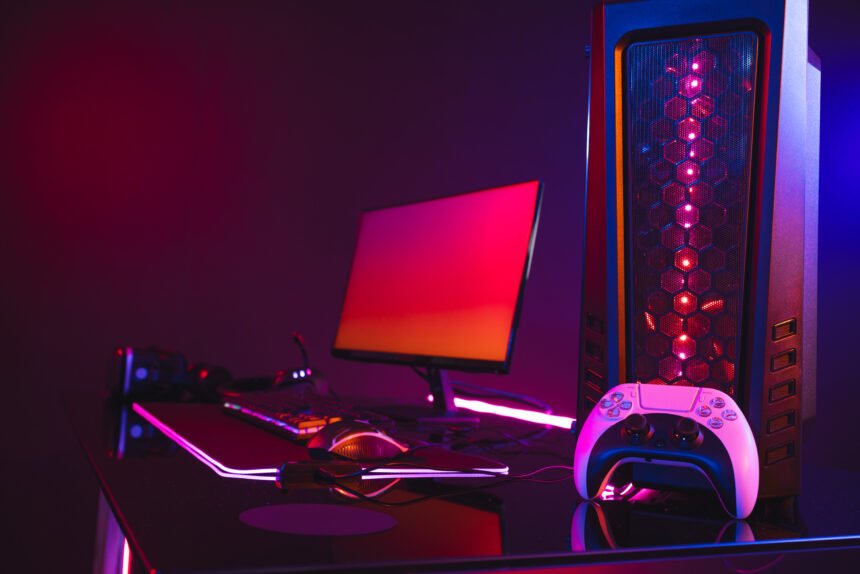
Moreover, desktop PCs are popular among gamers since they provide better performance and better gaming experience. High quality of graphics cards allows enjoying better visuals and fps rate in computer games.
With desktop computers, it is easy to upgrade components, thus keeping gaming equipment relevant for years to come.
Conclusion
To conclude, desktop computers remain highly important in computing. Superior performance provided by them due to powerful processors, customizability, and advanced cooling makes desktop PCs crucial for gamers and other specialists.
However, one may admit that laptops are more portable, but less powerful than desktops. Nevertheless, desktop computers will be highly demanded in future.