
Introduction
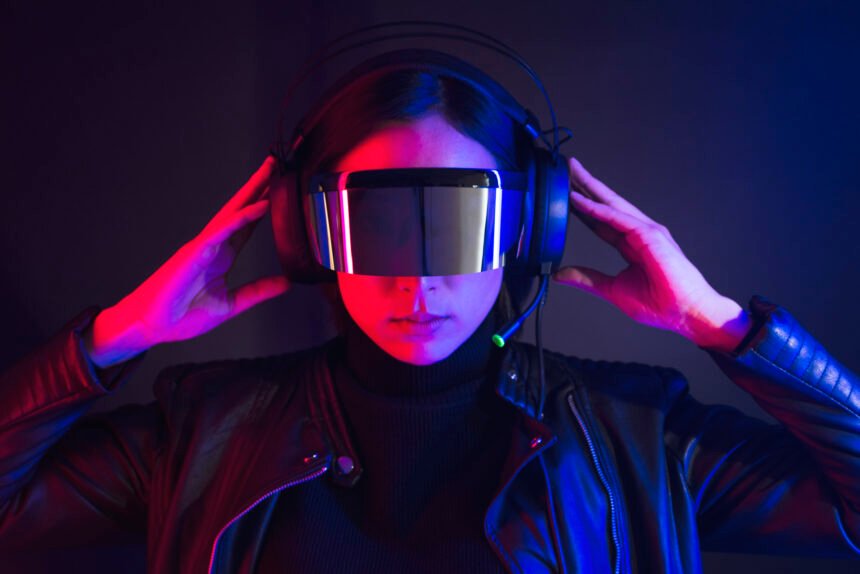
Dyson’s Zone headphones -headphones with a built-in air purifier -were met with widespread mockery when first announced. Two years later, the Zone 2 arrives with a smaller visor, better sound, and significantly improved air quality data, targeting a customer no competitor is serving: urban commuters and allergy sufferers who want air filtration without wearing a surgical mask.
The original Zone was solving a real problem -the WHO estimates 99% of the world’s population breathes air exceeding safe particulate limits. The execution was the problem, not the concept. Zone 2 represents Dyson’s attempt to fix the execution while maintaining the concept’s ambition.
Design Changes: Less Obvious
The visor is 40% smaller and folds flat against the headphones when not purifying. The headphones now look like premium ANC headphones when worn without the visor deployed. The magnetic locking mechanism provides satisfying tactile confirmation when deployed, and the visor can be folded away quickly when entering indoor spaces without removing the headphones -reducing social friction during transitions.
Build quality is exceptional -brushed aluminum headband, leather-wrapped earcups, and visor mechanism precision that communicates the $899 price point. The materials reflect Dyson’s industrial design heritage: the same engineering aesthetic that makes their vacuum cleaners visually distinctive translates to the Zone 2.
Air Filtration Performance
Dyson’s electrostatic filter captures 99.95% of particles 0.1 microns and larger. A redesigned airflow path delivers air with 20% more velocity than the original, improving the protective clean air zone in front of the nose and mouth.
In independent testing using a calibrated particle counter, PM2.5 reduction within the Zone 2’s airflow zone measured 87–92% compared to ambient air -consistent with Dyson’s filtration specifications in real-world conditions. The Dyson companion app shows real-time PM2.5 and PM10 readings, breathing zone AQI, and a map of pollution levels along your commute route. Filter replacement is required every 12 months at $39.99 with a tool-free replacement process.
Sound Quality, ANC, and Battery
Zone 2 uses new 40mm custom drivers and a dedicated DSP delivering sound quality competitive with Sony XM5-class headphones -a major improvement from the original’s mediocre audio. ANC performance now matches mid-tier Sony and Bose competition rather than trailing them. The combination of physical filtration and ANC creates a uniquely complete isolation: the visor creates a mild physical sound barrier while ANC actively cancels remaining noise.
Filter and audio together run for 4 hours -the unavoidable limitation of powering both a motor and headphone electronics from the same battery. Audio only delivers 50 hours. Weight at 595 grams with the visor deployed is the other significant limitation -more than double premium over-ear headphones, making extended wear beyond two hours noticeably uncomfortable.
Conclusion
Zone 2 is a genuine improvement on an unusual concept. If you live in a polluted city, suffer from airborne allergies, or want protection during wildfire smoke events without the social stigma of a face mask, Dyson has made their case meaningfully stronger at $899.
For everyone else, Sony or Bose alternatives will serve better at half the price. The target market is real and underserved; the product is now good enough to serve it. Whether that market is large enough to sustain the Zone concept commercially is the question Dyson’s next sales figures will answer.