
Introduction
Smartwatches have become one of the most popular wearable gadgets in recent years. Originally designed as simple smartphone companions, modern smartwatches now offer a wide range of features that extend far beyond telling time. These devices can track fitness activity, monitor health data, display notifications, and even support communication features such as calls and messages.
As wearable technology continues evolving, smartwatches are becoming more capable and powerful. Many users now rely on their smartwatch throughout the day for quick access to information without constantly checking their smartphones. But with so many features packed into such a small device, the question remains whether a smartwatch can truly replace a smartphone for everyday tasks.
Design and Display Quality
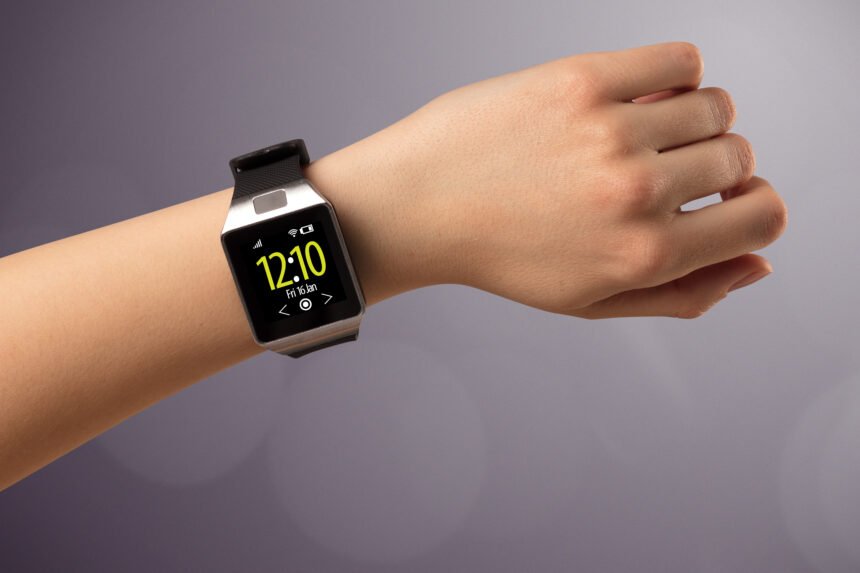
Most smartwatches feature compact designs that prioritize comfort and style. Manufacturers offer a variety of watch faces, straps, and materials to suit different preferences.
The displays on modern smartwatches are bright and responsive, making it easy to read notifications and interact with apps. Touchscreen controls combined with side buttons allow users to navigate the device efficiently.
Health and Fitness Tracking
One of the biggest reasons people purchase smartwatches is for health monitoring features. Many devices include sensors that track heart rate, daily steps, calories burned, and sleep patterns.
Some advanced models also monitor blood oxygen levels and stress levels. These features help users gain better insights into their health and encourage healthier lifestyle habits.
Notifications and Communication
Smartwatches allow users to receive notifications directly on their wrist. Messages, calls, and app alerts can be viewed instantly without needing to check a smartphone.
Some smartwatches also support voice responses and quick replies for messages. This makes communication more convenient when users are busy or unable to access their phones.
Battery Life and Charging
Battery life varies depending on the smartwatch model and features used. Many smartwatches last between one and several days on a single charge.
Charging is typically done using magnetic charging cables or wireless charging docks. Efficient power management helps ensure the device remains functional throughout daily activities.
Integration with Smartphones
Although smartwatches are powerful devices, they still rely heavily on smartphones for full functionality. Most smartwatches connect to smartphones to sync data, download apps, and manage notifications.
However, some advanced models now include cellular connectivity, allowing them to make calls or send messages independently. This feature moves smartwatches closer to functioning as standalone devices.
Conclusion
Smartwatches have evolved into highly capable wearable gadgets that provide convenience, health monitoring, and quick access to digital information. While they may not completely replace smartphones, they significantly reduce the need to constantly check mobile devices.
For users who want a combination of fitness tracking, notifications, and smart features in a compact device, a smartwatch can be an excellent addition to their technology ecosystem. As wearable technology continues advancing, smartwatches may become even more powerful and independent in the future.