

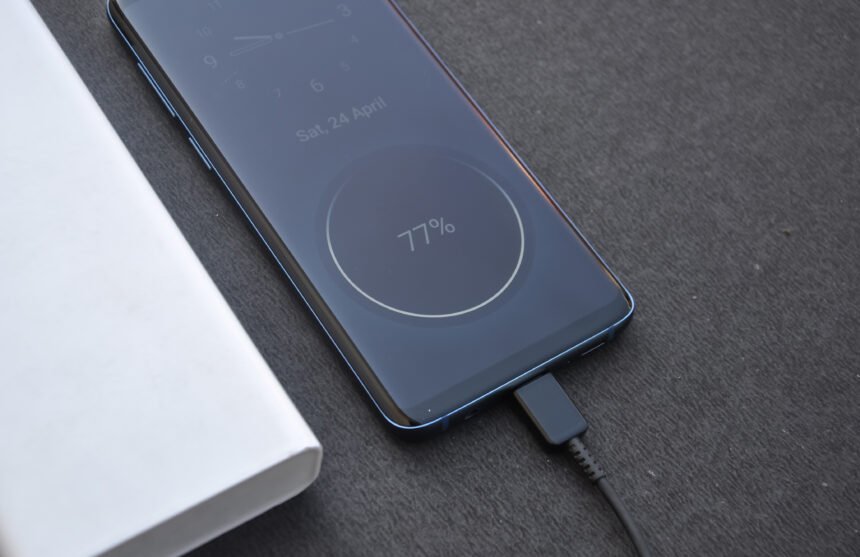
Introduction
Battery life has always been one of the most important factors for smartphone users. As smartphones have become more powerful and feature packed, users rely on them for longer periods each day. From video streaming and mobile gaming to navigation and work related tasks, smartphones now handle many activities that demand consistent power. Because of this growing usage, fast charging technology has become a major focus for smartphone manufacturers.
Instead of waiting several hours to fully charge a device, fast charging allows smartphones to gain significant battery power in a short period of time. This feature has dramatically improved the everyday experience for smartphone users. With continuous innovation in charging systems and battery design, modern smartphones are becoming more convenient and efficient than ever before.
What Fast Charging Technology Does
Fast charging technology works by increasing the amount of power delivered to a smartphone battery during the charging process. Specialized chargers and compatible cables allow higher energy transfer while carefully controlling temperature and voltage levels.
By managing the flow of power intelligently, smartphones can charge much faster than traditional charging systems. Many modern devices can reach around fifty percent battery capacity within thirty minutes, which is extremely helpful for users who need quick access to their devices.
Convenience for Busy Smartphone Users
One of the biggest advantages of fast charging is the convenience it provides in everyday life. Many people rely on their smartphones for work communication, social media, navigation, and entertainment throughout the day.
When battery power runs low, fast charging allows users to quickly recharge their device during short breaks. A brief charging session can provide enough power to keep the phone running for several more hours. This convenience makes fast charging one of the most appreciated smartphone features today.
Improved Charging Safety Systems
Early fast charging systems sometimes raised concerns about battery safety and overheating. However, modern smartphones include advanced safety systems that carefully regulate charging speed.
Smart charging algorithms monitor battery temperature and adjust the charging process when necessary. If the system detects excessive heat, it automatically slows the charging rate to protect the battery. These safety mechanisms help ensure that fast charging remains both efficient and safe for long term use.
Wireless Fast Charging Is Also Advancing
In addition to wired fast charging, many smartphones now support wireless fast charging technology. Users can simply place their phone on a compatible charging pad to begin charging without connecting a cable.
Wireless charging systems have improved significantly in recent years, offering faster speeds and better energy efficiency. Some smartphones even support reverse wireless charging, allowing the device to share power with accessories such as earbuds or smartwatches.
Future Charging Technology
Researchers and smartphone manufacturers continue exploring new charging technologies that could make smartphones even more efficient. Future devices may include ultra fast charging systems capable of fully charging a battery in just a few minutes.
Advancements in battery materials and energy management software may also extend battery lifespan while maintaining fast charging capabilities. As these technologies develop, smartphone charging could become faster and more convenient than ever before.
Conclusion
Fast charging technology has become one of the most important innovations in modern smartphones. By allowing devices to recharge quickly and safely, it provides users with greater flexibility and convenience in their daily routines.
As smartphones continue evolving with more powerful features, efficient charging systems will remain essential. With ongoing research and technological progress, the future of smartphone charging promises even faster speeds and improved energy management for mobile users.