

Introduction
As smartphones become more powerful and feature rich, battery performance has become one of the most important aspects of modern mobile technology. Users rely on their smartphones throughout the day for communication, entertainment, navigation, work tasks, and social media. With so many activities happening on a single device, maintaining long battery life has become a major priority for both users and smartphone manufacturers.
In response to these growing demands, companies are investing heavily in battery innovation. New charging technologies, improved battery materials, and energy efficient processors are helping smartphones last longer while delivering higher performance. The race to develop better battery solutions is now a key area of competition in the smartphone industry.
High Performance with Big Batteries
Modern smartphones are equipped with powerful processors, high resolution displays, and advanced cameras. While these features improve the overall user experience, they also require significant energy.
To support these demanding components, smartphone manufacturers are increasing battery capacity in many devices. Larger batteries allow smartphones to operate for longer periods without needing frequent charging. This improvement is especially important for users who depend on their phones for work or extended entertainment.
Fast Charging Improves Experience
Fast charging has become one of the most appreciated features in recent smartphones. Instead of waiting several hours for a device to recharge fully, users can now gain several hours of battery life with just a short charging session.
Advanced charging systems can quickly deliver energy to the battery while maintaining safe temperature levels. This convenience allows users to recharge their phones during short breaks, making battery management much easier throughout the day.
Charging Without Wires
Wireless charging technology is also gaining popularity among smartphone users. Instead of plugging in a charging cable, users simply place their device on a charging pad.
This method offers greater convenience and reduces wear on charging ports. Some manufacturers are even experimenting with reverse wireless charging, allowing smartphones to share power with accessories such as wireless earbuds or smartwatches.
Energy Efficient Processors
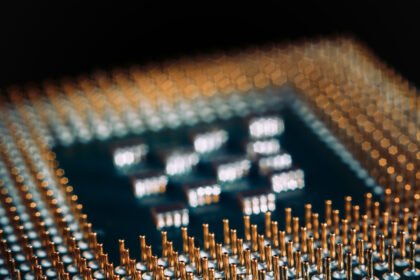
Battery improvements are not limited to hardware alone. Smartphone processors are becoming more energy efficient thanks to advanced chip designs and manufacturing processes.
These processors can handle demanding tasks while using less power, which helps extend battery life. Software optimization also plays an important role, as operating systems now include smart battery management features that control background activity and reduce unnecessary energy usage.
Future Innovations in Smartphone Batteries
Researchers are exploring new battery technologies that could significantly improve smartphone performance in the future. Solid state batteries, for example, may offer higher energy density and improved safety compared to traditional lithium ion batteries.
Other innovations include smarter charging algorithms and improved battery health management systems that help extend the overall lifespan of smartphone batteries. As these technologies develop, future smartphones may deliver even longer usage times and faster charging speeds.
Conclusion
Battery technology has become one of the most important areas of innovation in the smartphone industry. As devices grow more powerful and users depend on them for daily tasks, reliable battery performance is essential.
Through larger batteries, faster charging systems, energy efficient processors, and new research into advanced materials, smartphone manufacturers are working to meet these growing expectations. In the coming years, continued innovation in battery technology will play a crucial role in shaping the future of mobile devices.