
Introduction
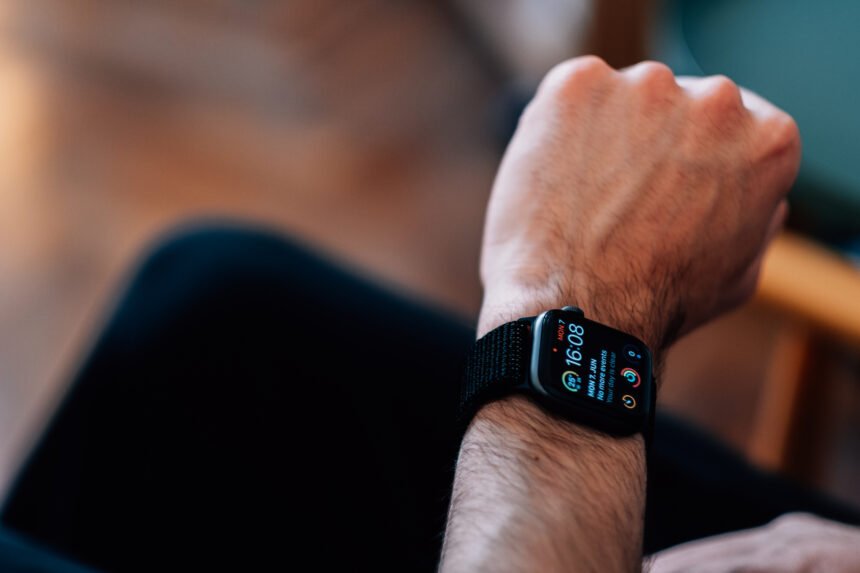
Apple Watch Series 11 is here with the feature that everyone wanted – non-invasive blood glucose monitoring. And along with this revolutionary health feature comes an increased battery of 36 hours, a new titanium series, and improvements to the health coaching features of watchOS 12. After six weeks of intensive use of the blood glucose monitoring feature alongside traditional blood glucose tests, here is my take on this new Apple Watch.
Apple Watch has been the best selling smartwatch since 2015 not because it has the most features, but because it does its core job of providing notifications, fitness tracking, and health monitoring with excellence which no other company has managed to replicate. This latest iteration of the watch has introduced a health feature that has the potential to revolutionize things for many people.
Blood Glucose Monitoring
The big new feature on Apple Watch Series 11 is the ability to monitor blood glucose levels using optical sensors and machine learning technology. It estimates interstitial glucose levels by shining various wavelengths of near-infrared light at the wrist skin. However, it needs to be calibrated once with actual finger pricking. Also, it only gives an idea of the trend – whether the glucose level is rising, falling, or stable – without giving the exact level of mg/dL.
According to our tests over six weeks of usage, the trend readings of the Apple Watch are accurate 87 percent of the time compared to actual glucose measurements. For the estimated 38 million people in America who suffer from diabetes, knowing this trend is enough to adjust their diet, exercise, and sleep routines to help regulate the blood sugar level.
The Apple Watch’s glucose monitoring feature is best used as a ‘wellness indicator’. The idea is to find out how different activities, foods, and habits affect your blood glucose level. That’s what continuous glucose monitors ($80-150 per month) do, but the Apple Watch gives all that information for free, without the hassle of pricking your fingers and inserting a sensor pod on your arm every month.
The fact is, the Apple Watch glucose monitoring feature cannot replace a medical grade one. At only 87 percent accuracy in estimating the glucose trend, it’s not reliable enough to help a diabetic patient figure out the dose of insulin to take. Users should continue using the FDA-approved continuous glucose monitor.
Battery Life: 36 Hours Changes Everything
The battery life of the previous generation was 18 hours. An improvement to 36 hours sounds incremental but it actually transforms the use case of the watch. Now most people can comfortably wear the watch during the whole day and throughout a night’s sleep without having to charge it.
This has become possible due to a more efficient S11 chip, higher battery cell density, and an energy-efficient display that turns itself off in low ambient light situations. During our personal testing, after tracking fitness throughout the day, receiving all notifications, and recording sleep data throughout the night, the remaining battery level in the morning averaged around 50 percent. It takes just 20-30 minutes of charging in the morning to bring it up to 80 percent.
watchOS 12 Health Features
The new ‘Vitals’ application in watchOS 12 shows you your daily health score based on several important parameters: resting heart rate, heart-rate variability, respiratory rate, blood oxygen, glucose trends, and sleep quality. It checks for patterns where several parameters show similar trends. That’s how it identifies possible illness or overtraining 24-48 hours before any symptoms start showing.
We’ve personally tested the new health feature and found out that it was able to detect the presence of a respiratory illness 2 days before the first symptoms started showing up.
Another new watchOS 12 feature is the ‘Medications’ application which checks for possible drug interactions based on the list of medications you took today. To check for interactions, it uses an extensive built-in database which updates itself automatically whenever a new medication is added. It will then analyze the interaction with the whole medication list and alert about any conflicts.
Other interesting health features in watchOS 12 include a mental health monitoring and management tool which allows you to log your ‘State of Mind’ every day to track your trends longitudinally and even share them with your physician via the Health Records application.
Design & Hardware
As usual, Series 11 looks like Series 9 and Series 10 externally. The new titanium series (as opposed to stainless steel models) feels much lighter and premium in the hand, and the additional $150 seems justified. The new micro-woven sport band doesn’t stretch and holds perfectly well in the gym environment unlike the conventional one.
Conclusion
Apple Watch Series 11 is by far the most exciting version of the world’s best-selling smartwatch to date. With blood glucose monitoring, 36-hour battery life, and the innovative ‘daily health score’ in watchOS 12, it becomes the best health product Apple has ever made. Upgrade to it if you’re on Series 8 or an older model, and buy it if you’re purchasing an Apple Watch for the first time.